Introduction
Mornings can be hectic, and it’s easy for young athletes to rush out the door without eating breakfast. But skipping breakfast can leave them feeling sluggish, unfocused, and under-fueled for their day. For athletes balancing school, training, and competition, breakfast is not just a meal—it’s a key component of their success. At Harper Strength and Speed, we know that proper nutrition is just as crucial as training when it comes to reaching peak performance.
The Impact of Breakfast on Athletic Performance
Breakfast provides young athletes with essential nutrients and energy to kickstart their day. After a night of fasting, the body’s glycogen stores are depleted. Without replenishment, athletes can experience reduced energy levels and slower reaction times. A well-balanced breakfast that includes carbohydrates, proteins, and healthy fats can restore these energy stores, supporting both mental and physical performance.
- Carbohydrates are the body’s preferred energy source, fueling muscles and brain activity.
- Protein aids in muscle repair and growth, essential for athletes training regularly.
- Healthy fats support long-lasting energy and hormone production.
Physical and Mental Benefits
- Increased Energy: Eating breakfast provides the fuel necessary to power through morning training sessions and stay energized during school. Athletes who eat breakfast often perform better in explosive movements and endurance activities.
- Enhanced Focus: Stable blood sugar levels from a balanced breakfast lead to improved concentration and cognitive function, which is great for performance both on the field, and in the classroom
- Faster Recovery: Protein in breakfast meals supports muscle repair, helping athletes recover from intense training sessions and be ready for their next workout or practice.
Common Excuses and Solutions
Despite the benefits, many athletes skip breakfast due to time constraints, lack of appetite, or uncertainty about what to eat. Here are a few common roadblocks we hear;
- “I Don’t Have Time” – Prep breakfasts the night before. Overnight oats, breakfast burritos, or protein smoothies can be made ahead and grabbed on the go.
- “I’m Not Hungry” – Start small with something light like a banana with almond butter. Over time, their body will adjust to eating in the morning.
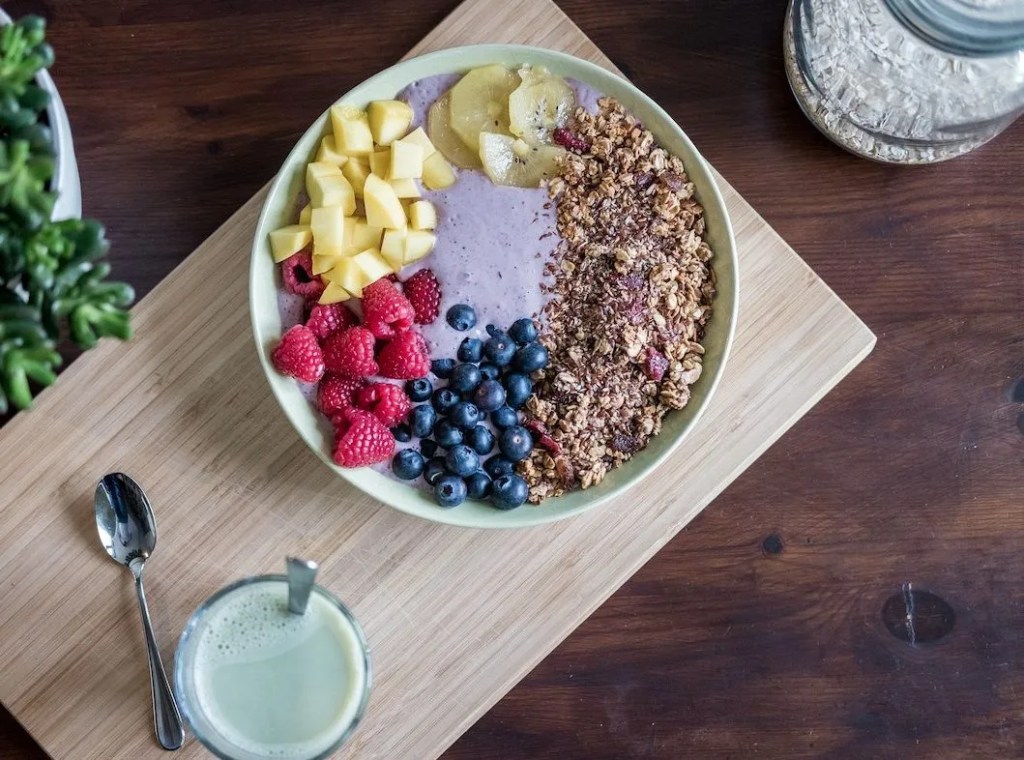
- “I Don’t Know What to Eat” – Aim for a balance of carbs, protein, and fat. Think Greek yogurt with fruit and granola, eggs with veggies and avocado, or a smoothie with protein powder, spinach, and berries.
Breakfast Ideas for Young Athletes
Here are some quick, balanced options to fuel their morning:
- Quick and Balanced: Scrambled eggs with sauteed peppers and avocado.
- On-the-Go: Protein smoothie with spinach, berries, and Greek yogurt.
- Carb-Loaded for Energy: Oatmeal topped with almond butter, banana, and honey.
- Protein-Packed: Cottage cheese with pineapple and granola.
Encouragement for Parents
As a parent, you play a key role in supporting your athlete’s nutrition. Set an example by making breakfast a priority and involving your athlete in simple meal prep. Even small changes can lead to noticeable improvements in their energy levels, focus, and athletic performance. Remember, even a small on the go breakfast snack is better than nothing!
At Harper Strength and Speed, we emphasize the importance of fueling for success. Combine proper nutrition with smart training, and you’ll give your athlete a competitive edge both on and off the field.
Conclusion
Breakfast is more than just a meal; it’s a powerful tool for maximizing performance. Encourage your athlete to start their day strong with a nutritious breakfast. For more personalized training and nutrition tips, follow Harper Strength and Speed, or join us for an upcoming speed clinic. Let’s fuel success together!
 Harper Strength & Speed
Leave a comment